
- Home
- Marketplace
- Banking
Get better business banking
- Intelligent recommendations tailored to your business size and banking needs
- Clear breakdown of benefits, from cashback rewards to credit-building tools
- Expert guidance to help you choose the right banking features for growth
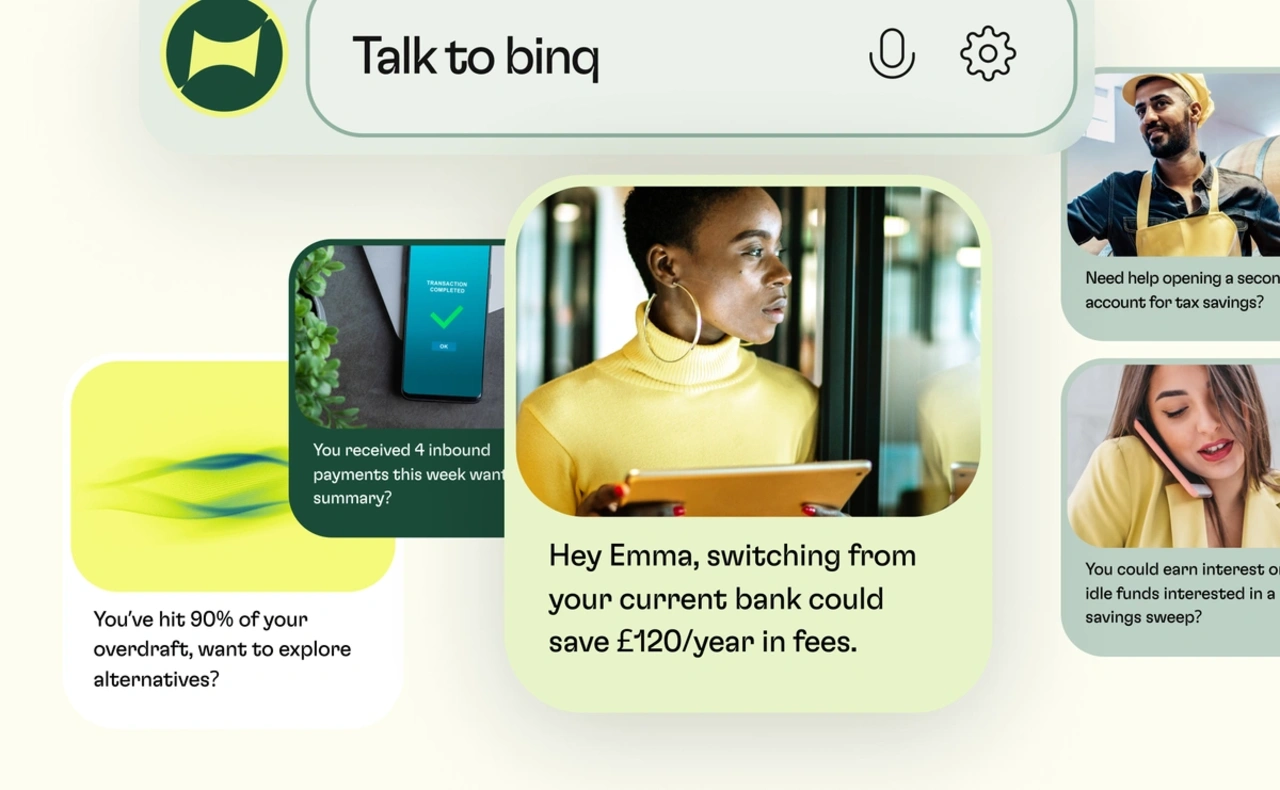
Binq's recommendations

Scan the QR code to download the App
Download the App

Bank in a way which works for your business.
Personalised and flexible options to help you manage cash flow, reduce banking costs, separate personal and business finances, or expand internationally.
- Smart searches and easy applications
- Accounts tailored to your business needs
- Competitive rates and fees that make sense


FAQs
Business accounts are designed for company finances and help you separate personal and business money. They often offer better payment processing, business-specific features, and make your accounting much easier come tax time.
Most banks accept applications from sole traders and new businesses, though you'll need to provide business registration details. Some accounts are specifically designed for startups and early-stage companies.
Costs vary widely between providers. Some offer free banking for new businesses or accounts with low transaction volumes. Others charge monthly fees but include more services. Compare the total cost based on how you'll actually use the account.
You'll typically need business registration documents, proof of address, identification for all account signatories, and sometimes recent financial statements. Requirements vary between banks.
While possible for very small operations, it's not recommended. Business accounts provide better record-keeping, may be required for certain business structures, and help establish your business credit history.
Consider monthly fees, transaction charges, online banking features, payment processing options, overdraft facilities, and integration with accounting software. Choose based on your actual business needs.
Overdrafts let you spend more than what's in your account, up to an agreed limit. You only pay interest on what you use. They're great for managing short-term cash flow gaps.
Banks typically charge fees for exceeding transaction limits or going over your overdraft. These can add up quickly, so monitor your account regularly and speak to your bank if you need higher limits.
Yes, though your options may be more limited. Some banks specialize in accounts for businesses with credit challenges. Building a good banking relationship can help improve your access to other business finance later.
Many businesses start with just a current account, then add savings or specialized accounts as they grow. Consider separate accounts for different purposes - like tax savings or different business divisions - but keep it manageable.